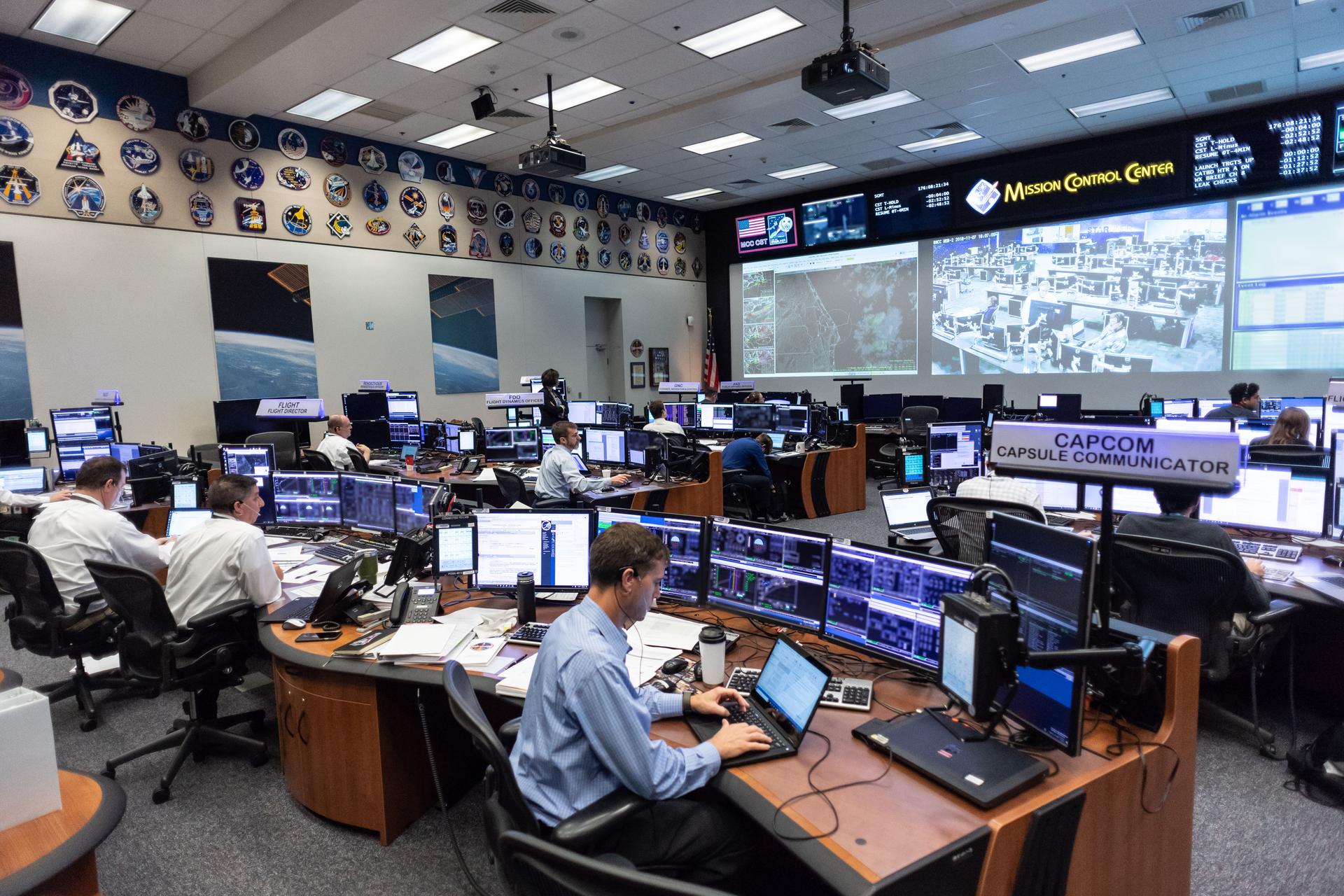
Rethinking Work on the International Space Station
When most people think about the International Space Station, they imagine cutting-edge technology, precision engineering, and highly structured operations. Human spaceflight is often portrayed as a domain driven purely by technical expertise, strict procedures, and scientific rigor.
But beneath this surface lies a more complex reality. Ethnographic research into spaceflight operations reveals that the ISS is not only a technological system—it is also a deeply human organization shaped by culture, creativity, and invisible forms of labor.
Ethnography Meets Mission Control
At institutions such as the European Astronaut Centre and the Columbus Control Centre, the preparation of astronauts and flight controllers involves far more than technical instruction.
Ethnographic approaches—commonly used in anthropology to study social systems—allow researchers to examine how organizations function from within. By observing training sessions, simulations, and day-to-day interactions, this research sheds light on how knowledge, responsibility, and “value” are constructed across teams supporting the ISS.
Rather than focusing solely on outcomes (successful missions), this perspective looks at processes: how people are trained, how decisions are made, and how roles are defined within a highly complex operational environment.
The Invisible Labor Behind Space Missions
One of the most striking insights is how much work remains unseen.
Human spaceflight depends on an extensive ecosystem of professionals: instructors, simulation designers, engineers, planners, and flight controllers. Yet much of their contribution is rarely visible to the public—or even fully understood within the system itself.
Training, for example, is not simply about transferring knowledge. It involves designing realistic scenarios, anticipating unexpected situations, and continuously refining procedures. This “behind-the-scenes” effort is essential to mission success, yet often goes unrecognized compared to the visible achievements of astronauts in orbit.
Beyond Procedures: The Role of Creativity
Space operations are typically associated with strict protocols and rigid systems. And while these structures are essential for safety and reliability, they tell only part of the story.
Ethnographic observations reveal that creativity plays a central role in spaceflight training and operations. Simulation exercises often incorporate elements of improvisation, problem-solving, and even play. Instructors design scenarios that challenge participants in unexpected ways, encouraging adaptive thinking rather than rote execution.
This creative dimension is not always formally acknowledged. From the outside, training appears highly systematic and standardized. But in practice, it relies on imaginative labor—crafting scenarios, experimenting with approaches, and fostering resilience in dynamic environments.
A New Perspective on Space Culture
Understanding the ISS as a social and organizational system opens up new ways of thinking about space exploration. It challenges the conventional image of spaceflight as purely technocratic and highlights the importance of human factors in shaping missions.
The Ethno-ISS perspective reframes space not just as a frontier of science and engineering, but as a living, evolving society—one where culture, collaboration, and creativity are as critical as technology.
Why This Matters
As space activities expand—with new actors, commercial missions, and long-duration exploration—the complexity of human spaceflight will only increase. Recognizing the full spectrum of labor involved, including its creative and often invisible aspects, is essential for building resilient and effective space organizations.
By bringing these hidden dimensions to light, ethnographic research contributes to a more complete understanding of how humanity operates beyond Earth—and how we might shape the future of spaceflight.